If you’ve ever had a chance to play with ferrofluid then you’ll be familiar with the typical picture of a ‘flower-like’ pattern.
A ferrofluid is a suspension of tiny magnetic (iron) particles, covered in a substance called a surfactant (e.g. oleic or citric acid) that is mixed with oil.
The combination of these 3 substances leads to an animated response to magnetic fields:
1) The iron particles are attracted to the magnet.
2) The surfactant binds the iron particles and oil limiting how far the iron particles are pulled towards the magnet thus leaving it slightly mobile.
3) A combination of the magnetic field and surface tension of the ferrofluid mixture results in patterns that follow the direction of magnetic field lines.
Some mythbusters:
1) Yes, you can make a simple ferrofluid suspension with laserjet toner and oil, but it will never result in the patterns seen above unless a surfactant has been added. (This typically involves more detailed steps that I will not outline here but might be a great question/project for a chemistry teacher…)
There are several videos online (YouTube is a big culprit here) that suggest otherwise but I can only assume that they switch to storebought ferrofluid when they start the demonstrations. If anyone disagrees with this send me your recipe! I’d be happy to be proven wrong.
2) One of the YouTube videos above also suggests that you can mix the ferrofluid with water to create a more fluid mix. Again, this is pure myth. For a short term solution you could mix it with a water:propanol solution but this will slowly breakdown the ferrofluid itself and likely would not last more than a few weeks. If you want something more long term then you may need to buy it from a specialised company.
*Non-technical description of a surfactant: A chemical with ‘arms’ that can grab onto other substances.
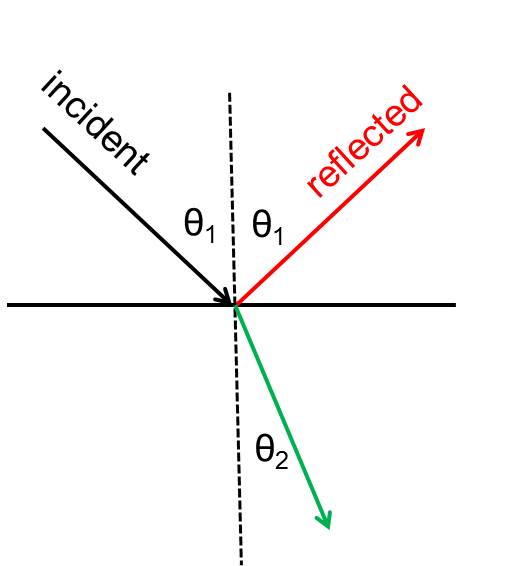 This ‘bending’ of light – refraction – can be described by Snell’s law:


